Physical Address
304 North Cardinal St.
Dorchester Center, MA 02124
Physical Address
304 North Cardinal St.
Dorchester Center, MA 02124

France : Immigration, Asile et Opportunités d'Emploi
France : Immigration, Asile et Opportunités d'Emploi
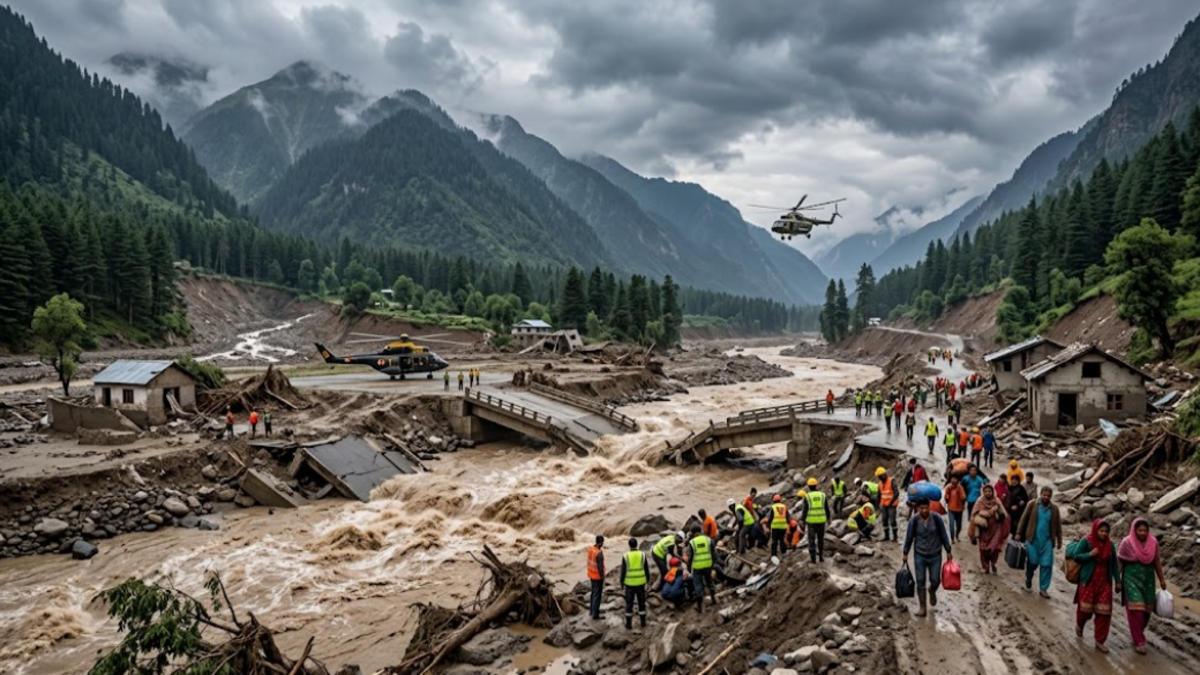
PARIS – Franist: Four French nationals missing after Nepal Tibet floods

Four French nationals missing after Nepal Tibet floods has become one of the latest international concerns after a catastrophic flash flood tore through communities near the Nepal-Tibet border, leaving hundreds dead and thousands unaccounted for. France’s Ministry for Europe and Foreign Affairs says it has been working with local authorities and contacting French citizens who registered their presence in the affected region.
French minister delegate for French nationals abroad Éléonore Caroit confirmed that four French citizens remain missing. The ministry has identified 80 French nationals who were in the area when the disaster struck, with 76 now accounted for. What happened in the remote Himalayan region, and why has the search become so difficult?

The French government has moved quickly to establish contact with citizens who may have been caught in the disaster. In its official statement, France said its ministry teams and diplomatic missions in Nepal and China were closely monitoring developments and working with local authorities.
The ministry also said it had contacted French people who had reported their presence through the government’s Fil d’Ariane travel safety service. At the time of its statement, officials said they had no news from several French nationals and were in contact with their families as efforts continued to locate them.
A later confirmation from Caroit put the number of French nationals still missing at four. Reuters reported that the French Foreign Ministry had accounted for 76 of the 80 French citizens known to have been in the affected area when the flooding occurred.
The figures add a personal dimension to a disaster that has already affected people from many countries. French citizens were among foreign visitors, workers and travelers in a region that attracts trekkers and pilgrims, particularly along routes connecting Nepal with the Tibetan side of the Himalayas.
TF1’s live coverage has also focused on the difficulties faced by foreign nationals caught in the disaster. The broadcaster reported that more than 500 foreign nationals were among those listed as missing in Nepal and China, while four French people had been confirmed missing by the French Foreign Ministry.
The French diplomatic response now centers on determining the whereabouts of the missing citizens while maintaining contact with relatives in France. Authorities have not publicly released further details about the identities or individual circumstances of the four missing French nationals.
That lack of information is particularly painful for families because the disaster destroyed roads, bridges and communications links across some of the most isolated parts of the region.
The flood struck on Wednesday, August 26, after a massive collapse in the high mountains sent rock, ice, mud and debris into river systems on both sides of the Nepal-China frontier.
Reuters reported that the event followed a glacier collapse that unleashed an enormous surge through Himalayan valleys. The resulting flood swept through settlements, damaged infrastructure and left a large number of people missing. The latest Reuters figures available Friday put the death toll at 579 in Nepal and seven in China’s Tibet region, while more than 2,000 people remained missing.
TF1’s updated live coverage later reported that at least 579 people had died in Nepal and five in Tibet, while the number of missing people approached 2,500. The difference between published totals reflects the fact that authorities in Nepal and China have been updating separate figures while search operations continue.
The Nepalese government said a huge flood struck the Bhote Koshi River in Rasuwa district during the morning. The impact spread across Rasuwa, Nuwakot, Dhading and Gorkha districts, according to information published by Nepal’s Ministry of Home Affairs.
The destruction has been severe. Roads disappeared under mud and debris, bridges were swept away and buildings near river channels suffered extensive damage. The flooding also struck important transport routes used by tourists, workers and pilgrims moving through the Himalayan border region.
The scale of the disaster quickly overwhelmed normal access routes. Helicopters became essential in some areas because rescue teams could not reach communities by road. The Associated Press reported that the Nepalese army had turned to helicopter operations after so many roads and bridges were washed away.
The flood also created new danger after debris blocked waterways and contributed to the formation of a large lake. Rescue teams had to balance the urgent search for missing people against fears that another surge could threaten communities downstream. Reuters reported that the growing lake posed a risk of further flooding and complicated rescue operations.
The first challenge is geography. The affected areas sit in steep Himalayan valleys where roads can be narrow, unstable or inaccessible even under normal conditions. Once floodwater carries rocks, trees, vehicles and pieces of buildings into those valleys, transport can become almost impossible.
Rescuers also face unstable ground. A major collapse high on the mountain can trigger a chain of events rather than a single wave of water. The initial rock and ice movement can dam a river, redirect water and create new pressure points farther downstream.
Satellite analysis released by the Associated Press showed that the destruction began with a collapse beneath part of a glacier near Langtang Lirung peak. Scientists examining the imagery said a large section of bedrock gave way and carried ice and debris into the valley.
That distinction matters because it shows how the disaster involved more than ordinary monsoon flooding. The collapse sent boulders and ice into a narrow mountain system before melting ice, mud and water continued downhill at tremendous speed.
The Trishuli River was among the waterways badly affected. AP reported that the river changed dramatically after the flood, becoming wider in some places and filled with heavy sediment in others. The force of the flow pushed debris through inhabited areas and buried parts of villages along the banks.
Syapru Besi, a well-known tourist location and starting point for the Langtang trek, suffered major destruction. Satellite comparisons showed buildings swept away and sections of the surrounding landscape transformed by mud and debris.
The rescue operation therefore depends on more than simply finding survivors. Teams must first establish whether roads, slopes, bridges and river crossings remain safe. Heavy machinery can remove mud, but equipment itself may struggle to reach the worst-hit sites.
The presence of foreign tourists and workers adds another layer to the operation because authorities must compare immigration information, hotel records, trekking registrations and emergency reports with lists of people who have made contact.
For the families of the four missing French nationals, every new update carries enormous significance.
The French Foreign Ministry said it remains in contact with families while efforts continue to determine where the missing people may be. Officials have urged French citizens in affected areas to follow instructions from local authorities.
France has also reminded travelers of the importance of registering through Fil d’Ariane before departure. The service gives French authorities a way to identify citizens who may be in an affected area during a crisis and can help diplomatic missions contact them or their relatives.
The current case shows why such information can become crucial during a fast-moving natural disaster. When mobile networks fail and roads close, government officials may have to reconstruct movements through partial records while rescue teams search locations that were difficult to access even before the flood.
TF1 has highlighted the uncertainty facing people in Nepal, including foreign travelers who survived the initial torrent but remain separated from companions. Its reporting from Kathmandu described families waiting for information about missing relatives while emergency teams continue their work.
The broadcaster also interviewed people who described the sudden arrival of mud and floodwater. One French guide told TF1 that he had been unable to reach everyone he was trying to contact, illustrating how quickly communication disappeared in the disaster zone.
French authorities have not suggested that the four missing nationals are dead. They remain officially listed as missing while search efforts continue.
That distinction is important as rescue teams work through damaged areas. In major disasters, authorities can take time to confirm casualties because debris, broken communications and displacement make it difficult to establish where individuals were at the moment of the event.
For the moment, the French government’s position remains focused on locating the four citizens and supporting their families rather than drawing conclusions before investigators and rescuers have completed their work.
The missing French citizens represent only a small part of the wider international impact.
Nepal’s affected mountain routes are used by tourists, trekkers, pilgrims and workers from many countries. AP reported that people from more than 30 countries were among those affected by the disaster, including foreign pilgrims traveling through the region.
The disaster has also struck local communities whose livelihoods depend on tourism, transport, hydropower projects and trade across the mountain corridors.
Nepalese authorities reported large numbers of workers at hydropower facilities among those missing. Reuters cited disaster authority figures showing hundreds of foreigners and hundreds of people working on hydropower projects among those unaccounted for.
The destruction of roads and bridges could prolong the crisis well beyond the initial flooding. Communities that survived the torrent may still face shortages of food, drinking water, medicine and electricity because normal supply routes have been disrupted.
Humanitarian groups have begun mobilizing assistance. The Associated Press reported that aid organizations operating in Nepal were preparing emergency supplies and supporting medical and relief efforts, while international organizations considered how to help with the longer recovery. The country has extensive experience dealing with natural disasters, including earthquakes, landslides, floods and other hazards. But the speed and scale of this event have created a particularly difficult combination of search, rescue, evacuation and infrastructure problems.
The immediate priority remains human life. Rescue teams must locate people who may still be trapped beneath debris, identify safe evacuation routes and monitor rivers and unstable areas for further flooding.
The physical cause of the disaster has already drawn scientific attention.
Satellite images reviewed by AP indicate that the event involved a major collapse of bedrock beneath a glacier near Langtang Lirung. Scientists said the mountain failure carried ice and debris into the valley, where the material gained momentum as it moved downhill.
Researchers are also examining whether broader changes in the Himalayan environment may make similar events more likely.
Several experts told AP that rising temperatures can weaken permafrost and contribute to instability in high-altitude rock and ice. However, scientists emphasized that they cannot yet establish a direct link between climate change and this particular collapse.
That caution matters. Mountain collapses can occur naturally, and investigators need evidence before attributing one disaster to a specific climate factor.
What is already clear is that the region faces a combination of geological and climatic hazards. A small change high above a river valley can become a devastating event once ice, rock, water and debris combine.
The latest disaster has revived concerns about the vulnerability of Himalayan communities and infrastructure. Roads, bridges and hydropower installations often occupy narrow valleys because of the terrain. Those same valleys can become channels for destructive floodwater.
As the search for the missing continues, authorities also have to monitor newly formed water bodies and blocked rivers. Any secondary release of water could create another emergency for communities that have already suffered devastating losses.
For the four missing French nationals, however, the immediate story remains much more personal: families are waiting for confirmation, diplomatic officials are maintaining contact, and rescuers continue to search an area transformed by an extraordinary natural disaster.
France’s Foreign Ministry has published its official statement and updates through France Diplomatie.
As authorities in Nepal, China and France continue comparing information, the overall casualty and missing-person totals may change again. The situation remains fluid, and the search for survivors is still underway.
Four French nationals remain missing, according to French Minister Delegate Éléonore Caroit and the French Foreign Ministry.
French authorities identified 80 French citizens in the area when the disaster struck, with 76 later accounted for.
The disaster followed a major mountain and glacier collapse that sent rock, ice, mud and debris into Himalayan river systems.
Yes. Nepalese and Chinese teams continue search and rescue operations while authorities also monitor risks from further flooding and unstable terrain.
Lire la suite
Contact : info@francealyom.com